

How to Sell Vinyl Records
07/05/2026 | EuropeRANK
The contemporary resurgence of vinyl records has transformed what was once a niche format into a significant, collectible segment of the global music memorabilia market. Successfully navigating the sale of vinyl records requires more than mere inventory; it demands a comprehensive understanding of music history, material condition, market valuation, and astute retail strategy. Treating vinyl sales as a curatorial endeavor, rather than simple liquidation, is paramount to achieving optimal returns and establishing credibility within the community of serious collectors and enthusiasts.
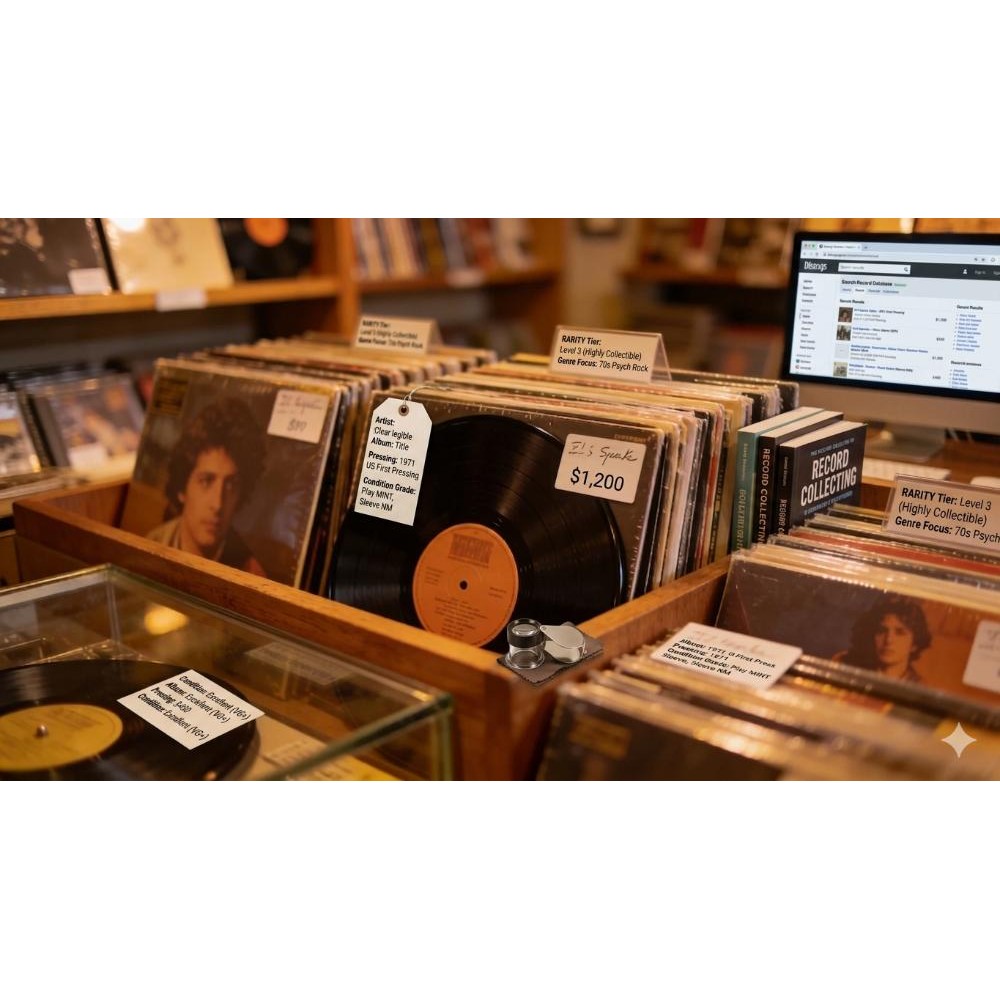
The foundational step in maximizing sales potential and learning how to sell vinyl records is meticulous inventory assessment. A record's intrinsic value is inextricably linked to its condition. Professionals in this field utilize standardized grading systems—such as Goldmine standards—to quantify wear on the vinyl surface (the "play grade") and the sleeve artwork (the "sleeve grade"). A detailed assessment must note any scuffs, scratches, warping, or seam splits. Similarly, the provenance, or documented history, of the record can dramatically inflate its worth. Original packaging, accompanying memorabilia, or documented ownership history transforms a common commodity into a historical artifact. Furthermore, the physical maintenance of the records is non-negotiable; employing appropriate, non-abrasive cleaning methodologies ensures that the buyer receives an item in the best possible state, mitigating future disputes regarding condition.
Once the inventory has been rigorously cataloged and graded, the next critical phase involves accurate market valuation. Pricing vinyl is an exercise in sophisticated market research. One must move beyond anecdotal pricing and anchor one's valuation in comparable sales data. Researching recent transactions for the same artist, genre, and pressing variant—such as first pressings versus later reissues—is essential. Factors such as scarcity, genre demand (e.g., early rock, jazz, or specific electronic genres), and the artist's current market profile must all be weighed. Overpricing deters potential buyers, while underpricing sacrifices potential profit margins. Establishing a tiered pricing structure that reflects the condition and rarity allows for flexibility when negotiating with knowledgeable clientele.
The selection of the appropriate sales venue is as critical as the merchandise itself. Sellers must determine whether their primary market is the casual music consumer, the specialized collector, or the general art enthusiast. For the highly discerning collector, specialized physical record fairs and high-end consignment shops often prove most lucrative, as these venues provide built-in expertise and a curated atmosphere.
For broader market dissemination, reputable online marketplaces offer unparalleled reach. When utilizing digital platforms, the presentation must be flawless. Listings must feature high-resolution, multi-angle photography that documents the condition of both the vinyl and the packaging with absolute transparency. The accompanying textual description must be exhaustive, incorporating the catalog number, pressing details, year of release, and a detailed condition report, thereby preempting buyer inquiries and establishing trust.
Beyond physical and digital sales channels, professional sellers should consider direct engagement with local independent record stores. Establishing consignment agreements or wholesale partnerships can provide steady, reliable income streams. These partnerships require the seller to maintain impeccable relationships with the store owners, positioning the inventory not merely as goods for sale, but as curated additions to the store's established collection.
Ultimately, the successful sale of vinyl records is predicated upon the establishment of expertise and reliability. The seller must adopt the persona of a knowledgeable curator. This entails remaining abreast of emerging vinyl trends, understanding the nuances between different pressing plants, and maintaining transparency regarding condition reports. By adhering to rigorous standards of documentation, diligent market research, and strategic selection of sales channels, the seller can transition from simply selling used records to participating in a respected and profitable segment of the global cultural commerce.