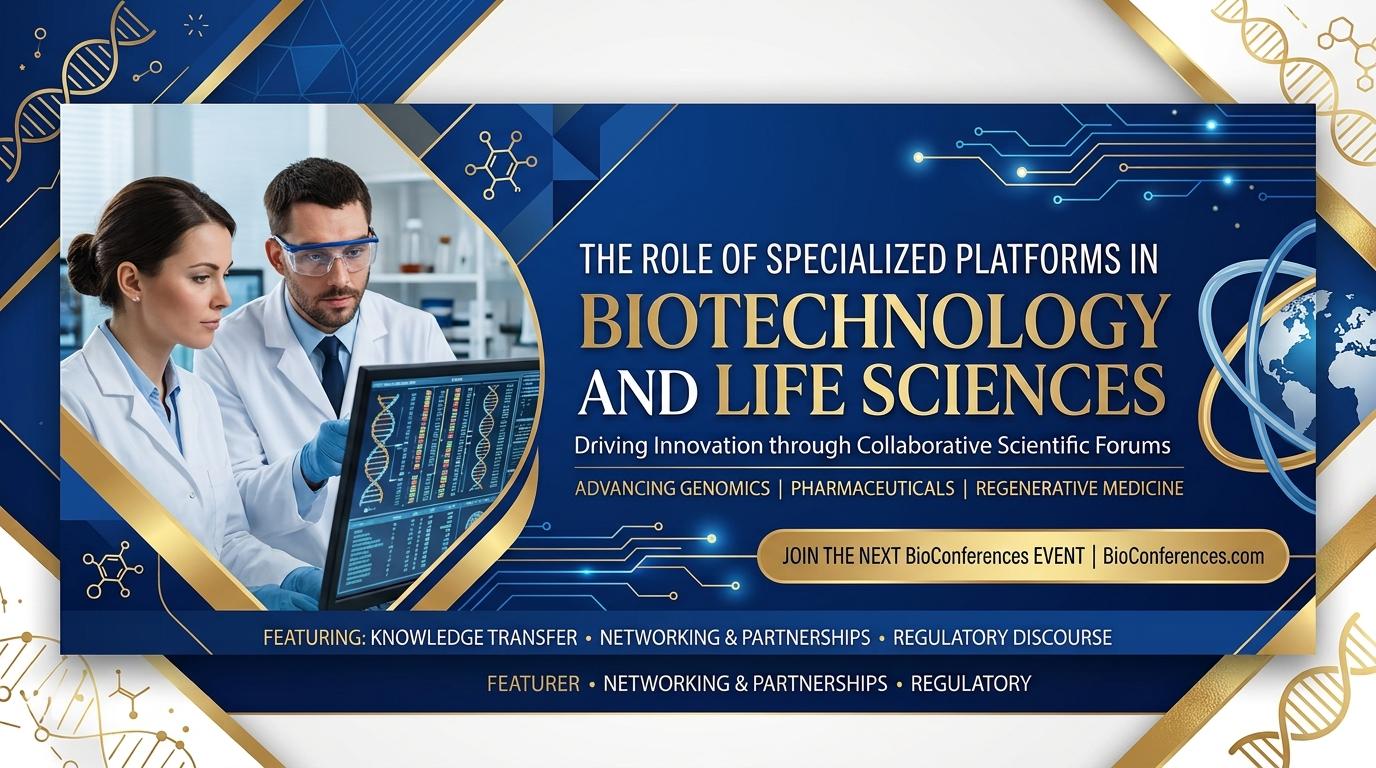
The Role of Specialized Platforms in Biotechnology and Life Sciences
In the contemporary landscape of scientific advancement, the dissemination of knowledge serves as the cornerstone of innovation.
In the contemporary landscape of scientific advancement, the dissemination of knowledge serves as the cornerstone of innovation. As biotechnology continues to evolve at an exponential rate—driving breakthroughs in genomics, pharmaceuticals, synthetic biology, and regenerative medicine—the necessity for structured environments where researchers can exchange ideas becomes paramount. Central to this ecosystem is the role of professional conference platforms, such as those hosted by BioConferences, which facilitate the convergence of academia, industry leaders, and regulatory bodies.
The primary objective of a specialized scientific conference is to bridge the gap between theoretical research and practical application. While peer-reviewed journals provide the definitive record of discovery, live forums offer a dynamic space for real-time debate, networking, and collaborative problem-solving. These gatherings allow scientists to present preliminary data, receive immediate feedback from peers, and identify potential synergies that might not emerge in isolated laboratory settings.
For organizations involved in biotechnology, these platforms as https://bioconferences.com/ serve three critical functions:
One of the most significant hurdles in modern science is "translation"—the process by which laboratory discoveries are transformed into accessible, scalable products. Platforms like BioConferences play an instrumental role in this transition. By hosting sessions that focus on clinical trials, manufacturing scalability, and market viability, these events ensure that high-level research does not remain confined to academic papers but instead finds its way into the healthcare systems of the world.
Furthermore, by providing a centralized hub for global experts, such platforms democratize access to information. They allow researchers from emerging markets to engage with established leaders in Western and Asian biotech hubs, ensuring that scientific progress is both inclusive and globally representative.
As we move toward an era defined by personalized medicine and bio-engineered solutions to climate change, the infrastructure supporting our scientists must be robust and sophisticated. Dedicated conference platforms are more than mere meeting points; they are catalysts for the next generation of biological breakthroughs. By fostering a culture of rigorous inquiry, collaborative exchange, and industrial integration, these forums ensure that the life sciences continue to advance toward a future where human health and environmental sustainability are significantly enhanced by scientific ingenuity.